Turn owner knowledge into approved updates.
Content gives the rest of the system something useful to carry.
See Content Engine →DBM turns owner knowledge into approved weekly content, clear customer paths, and scoped systems for product and store brands, multi-location businesses, construction systems, agencies, and public-sector teams.
Start with the lane that matches the problem. Full scope and every price live on the Pricing page.
Choose the lane that feels closest. You do not need to know the technical answer before you start.
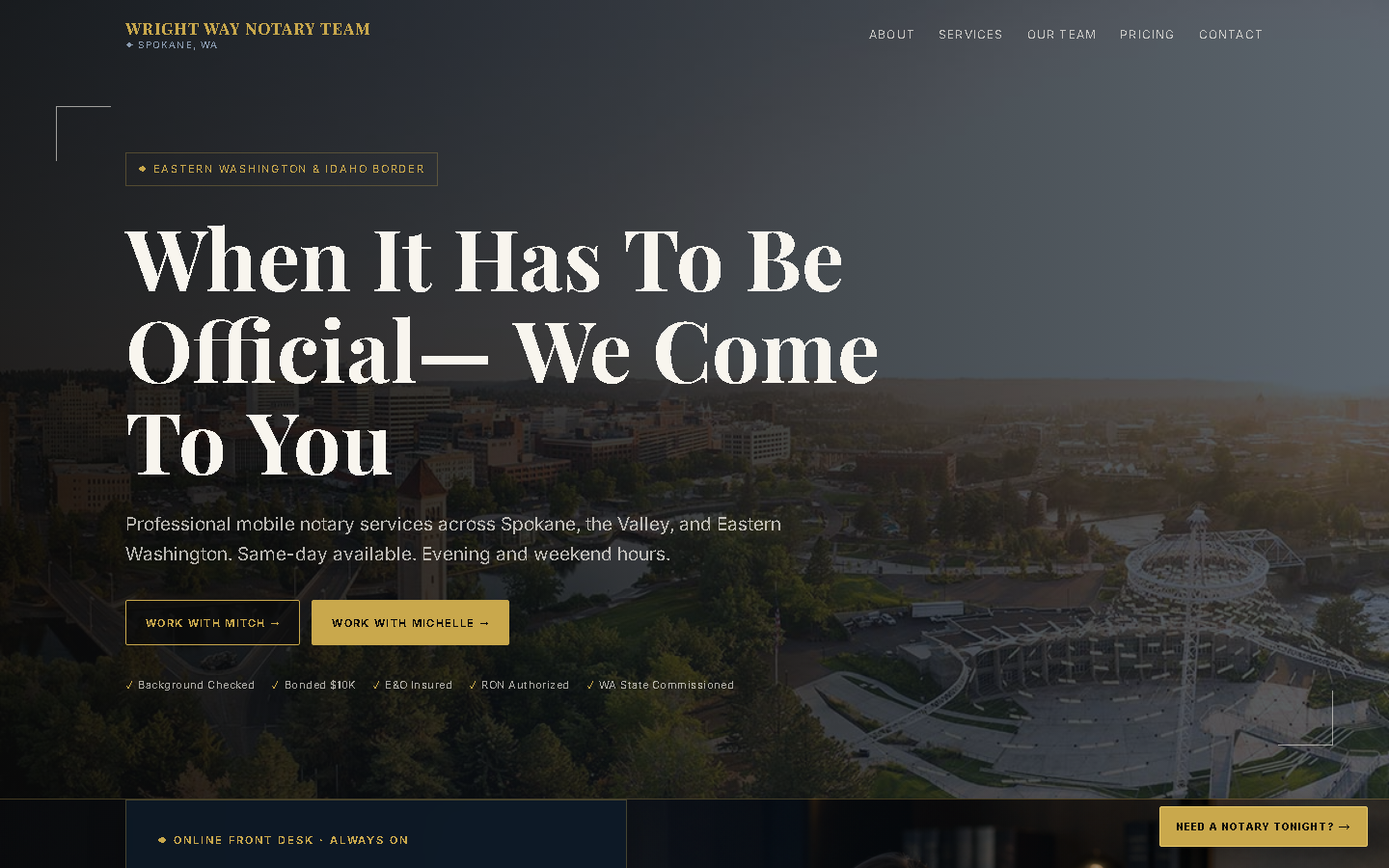
Give people a clear front door: who you are, what you do, and how to reach you.
From $75 build · $49/moScroll Page or Business SiteSee the online paths 02 / FIX ITRepair the one problem blocking calls, trust, access, or search visibility.
From $149 · one timeAnything Fix or Get FoundSee the repair paths 03 / RUN THE BUSINESSPut content, requests, jobs, customers, and crew into a system that can carry the work.
From $299/mo · setup variesContent, Job, Portal, Reputation, or Win-BackSee the operating pathsContent feeds the work. Job catches the request. Portal gives each role its own view. Reputation and Win-Back help the relationship continue after the handoff.

Content gives the rest of the system something useful to carry.
See Content Engine →Job catches the work before it disappears into an inbox.
See Job Engine →Portal separates manager, customer, and crew work without losing the shared record.
See Portal Engine →Reputation keeps the public review path and private feedback path equally clear.
See Reputation Engine →Win-Back is the next follow-up layer for customers who have not returned.
See Win-Back Engine →Pick the description that sounds closest. Anyone can still request work.
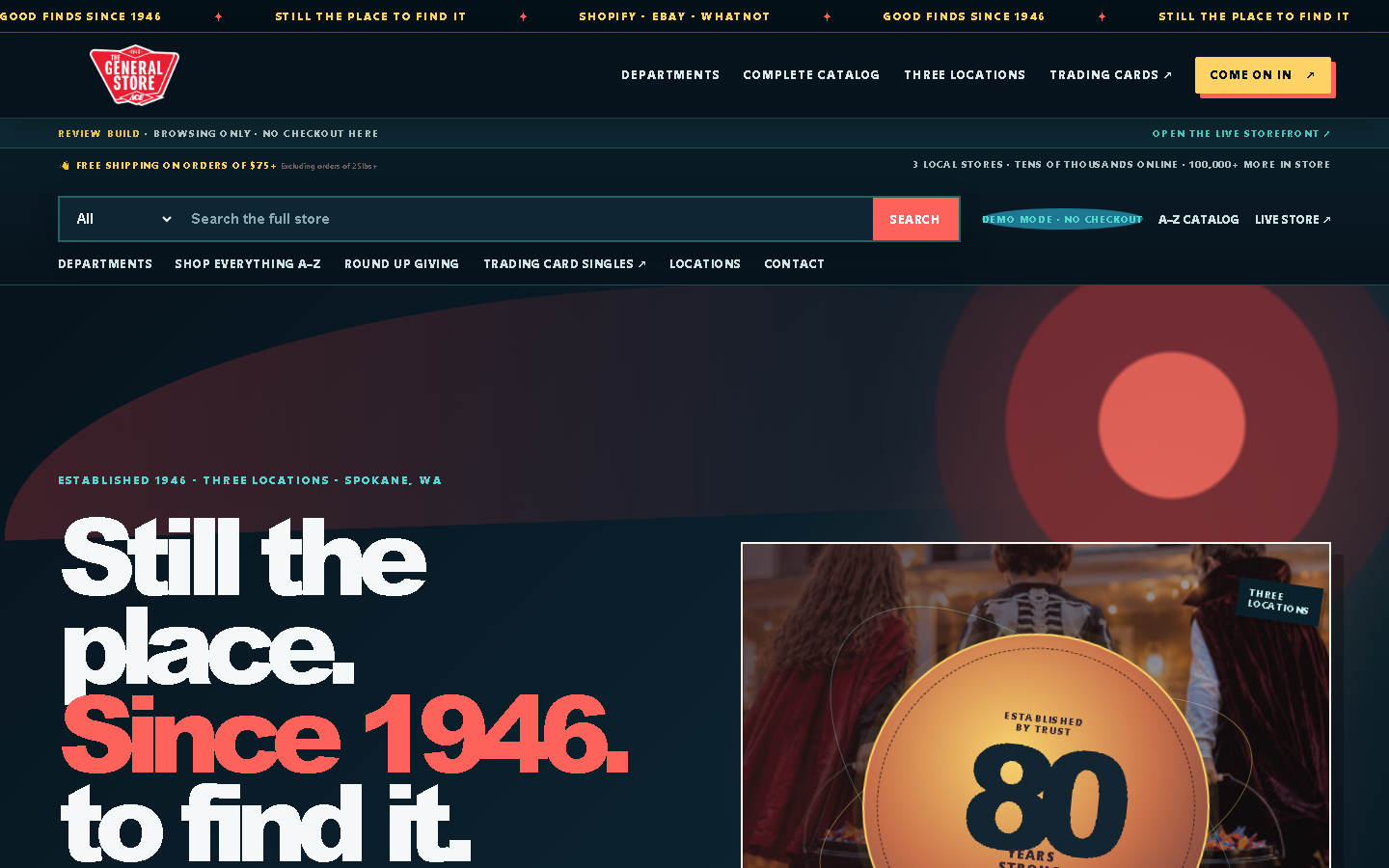
You sell products online or in a catalog. The site should help people trust you, find the product, and check out without getting lost.
See the product and store path →More than one location. Each place should say the same clear thing and still feel local.
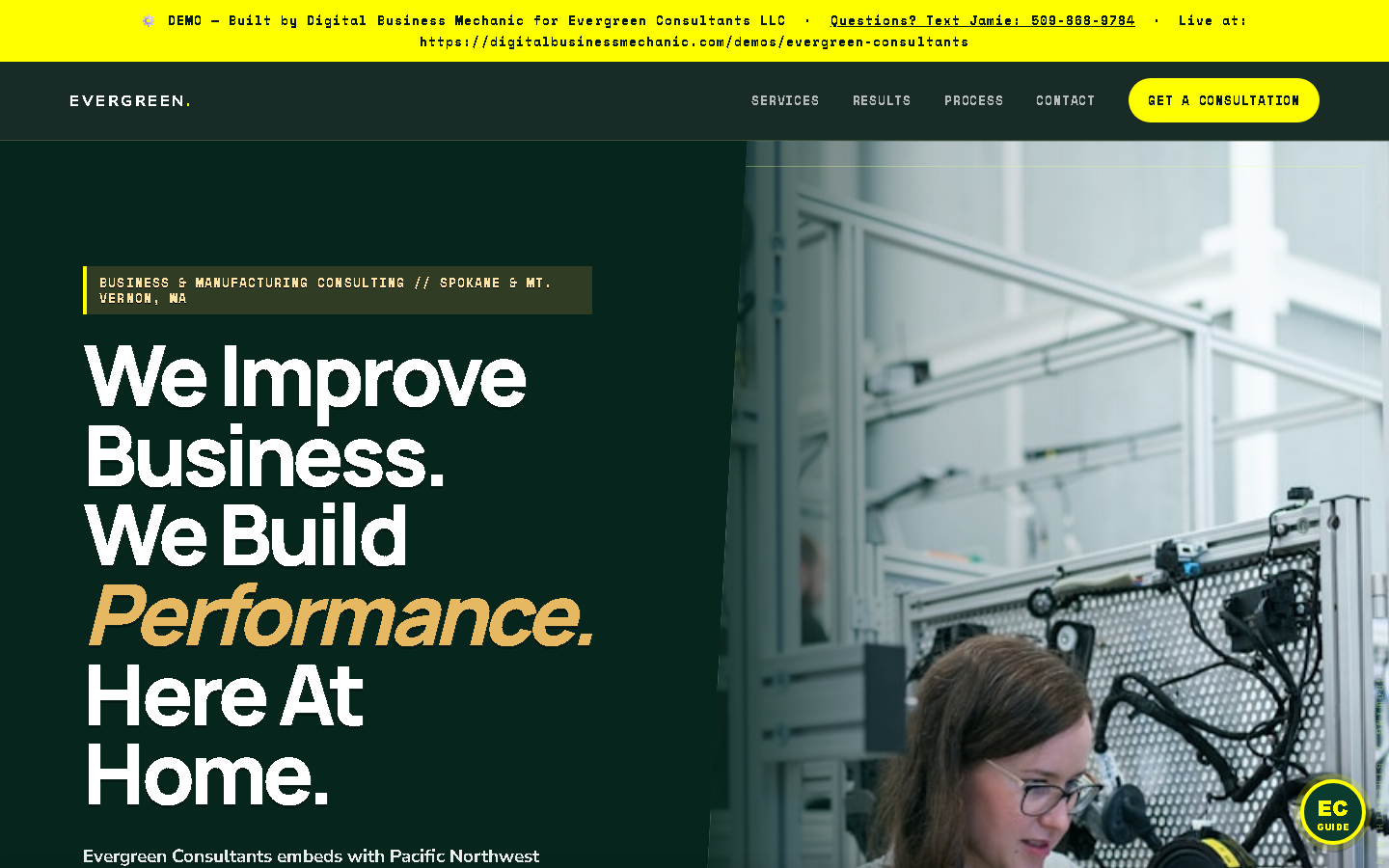
See the multi-location path →You sell expertise (consulting, B2B, specialized services). Visitors should quickly understand what you do, why to trust you, and how to start.
See the professional-services path →You need tools: calculators, intake forms, job workflows, customer-facing webapps — not just a pretty brochure site.
See the construction-systems path →Too much work lives in spreadsheets, inboxes, or one person’s head. You need simple systems that take the load off.
See the operations path →You already know what customers ask. You need a repeatable way to turn that into posts, videos, and follow-ups without doing it all yourself.
See the Content Engine →You need extra build help, QA, or documentation without hiring full-time.
See the partner path →Clear public pages, repairs, docs, and approved content — with a review trail and a clean handoff.
See the public-sector path →The owner knows the whole story. A first-time customer does not. DBM translates between them with scope, evidence, and approval gates.
Customer questions, constraints, product truth, and the details that make the business different.
A new visitor needs to understand the offer, trust something real, and know what to do next.
DBM turns the conversation into content, pages, or systems that remain reviewable after handoff.
Deliverables, exclusions, owner inputs, and acceptance test are written first.
Nothing publishes, messages, books, changes records, or spends without approval.
The existing stack is assessed before a rebuild enters the conversation.
The result includes documentation and a practical way to verify what changed.
Choose the layer that matches the operating constraint. Move up only when the next layer earns its place.
Website Inspection, Business Checkup, Fit Check, Cost Estimator, and controlled Workbench demonstrations.
Open Toolbox →Store paths, multi-location systems, construction webapps, integrations, internal tools, and agency work against the existing stack.
One 20-minute owner conversation becomes a human-approved weekly package: Garage TV + clips + Field Note + email + social + next questions. Nothing publishes without approval.
Bounded repairs and conversion pages with visible starting points, written scope, and acceptance tests.
Public demonstrations of capability—not paid client results, testimonials, or guarantees.
Tell DBM what is happening, what should happen instead, and what “fixed” means. You will receive review, clarifying questions when needed, then a written scope.